
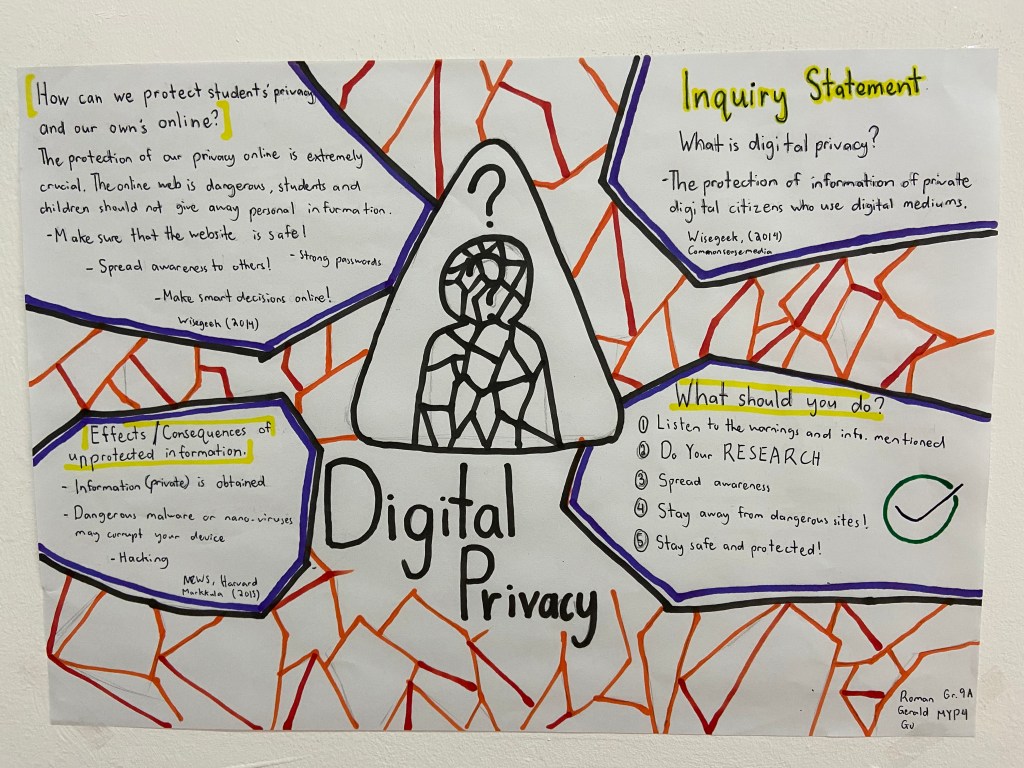
As part of our unit about Privacy and Security in my MYP Design 5 class, the students identified strategies on how to protect their privacy by opting out of specific features and analyzing some web tools they usually use in the school or for teaching and learning. This lesson, “Being Aware of What you Share,” is part of the Digital Citizenship Curriculum from Common Sense Education, which provides a wide array of lesson plans and resources to teach Digital Citizenship among K-12 students.

An activity we did as an extension to this lesson is a Scavenger Hunt on the “Privacy Policy” and “Terms of Service” of web tools we usually use in the classroom to find specific information such as what data the app or website collects, what data is collected from third parties, what data is shared with third parties and how long user data is stored. I and my students collated all the information we got in a Padlet and discussed how our data might be used by the apps and websites we employ in the classroom.
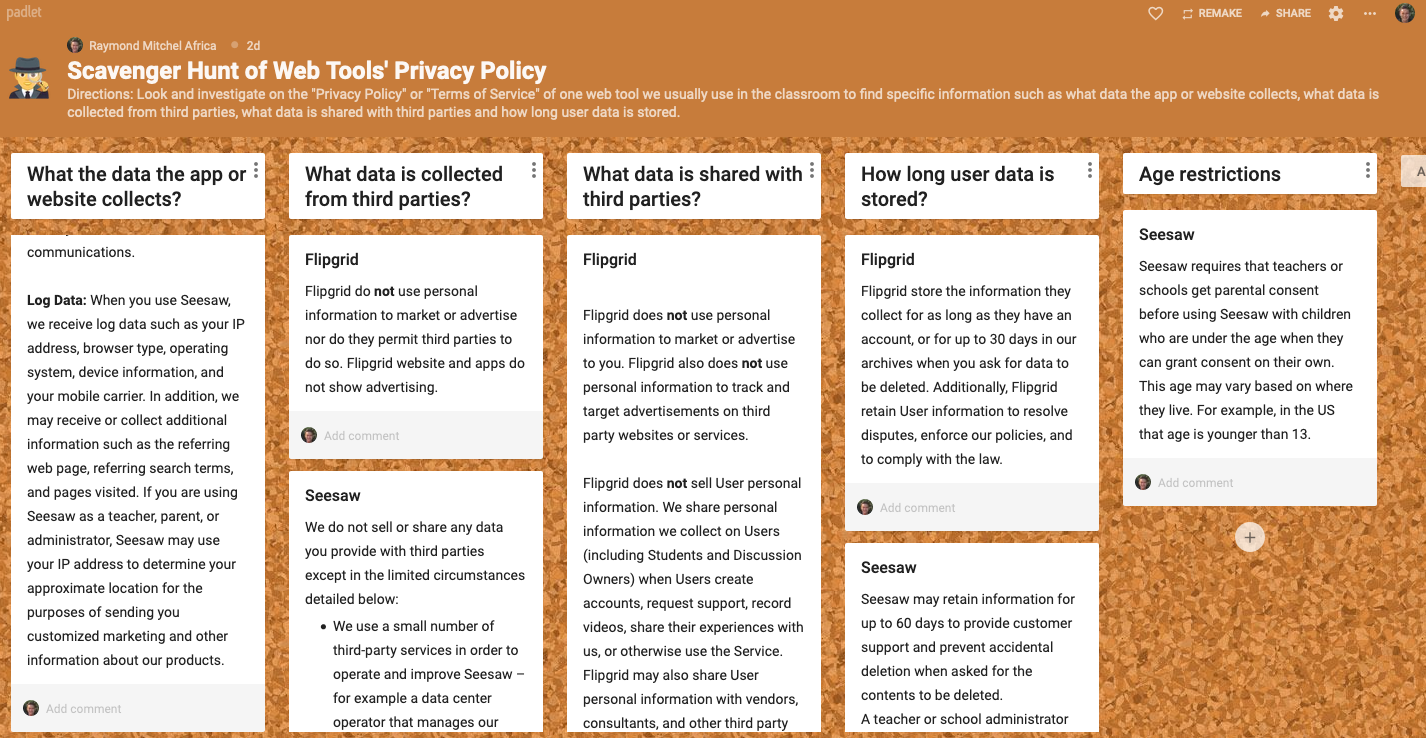
In this activity, my students and I learned a lot about how our data are used after we create an account or utilize the tools. For example, Seesaw and Flipgrid obtain personal information, such as email address, first name, and last name and profile pictures of users. Most of the apps have age restrictions of 13 years old and need to provide parental consent to use the platform. I was concerned after knowing that messages and contents on some of the tools we explored are being saved by the company. It was surprising for me to know that most of the kids do not where to find these privacy policies and terms of service. One of the aha moments we had is knowing about the age restrictions and how data is being shared by third parties.


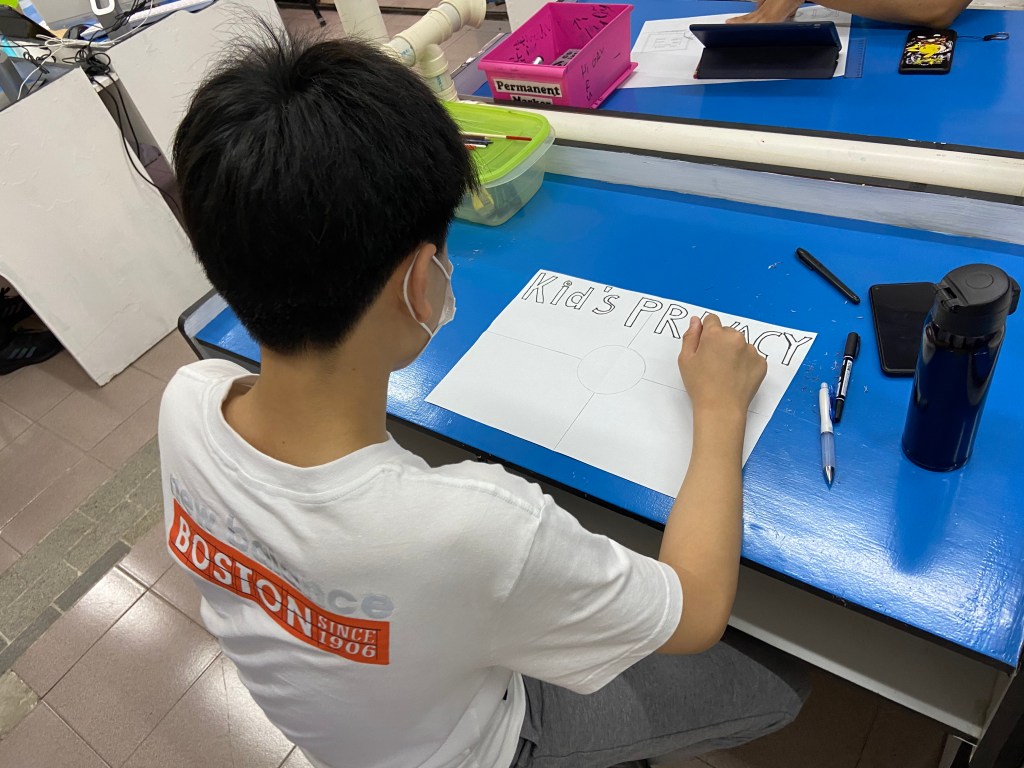

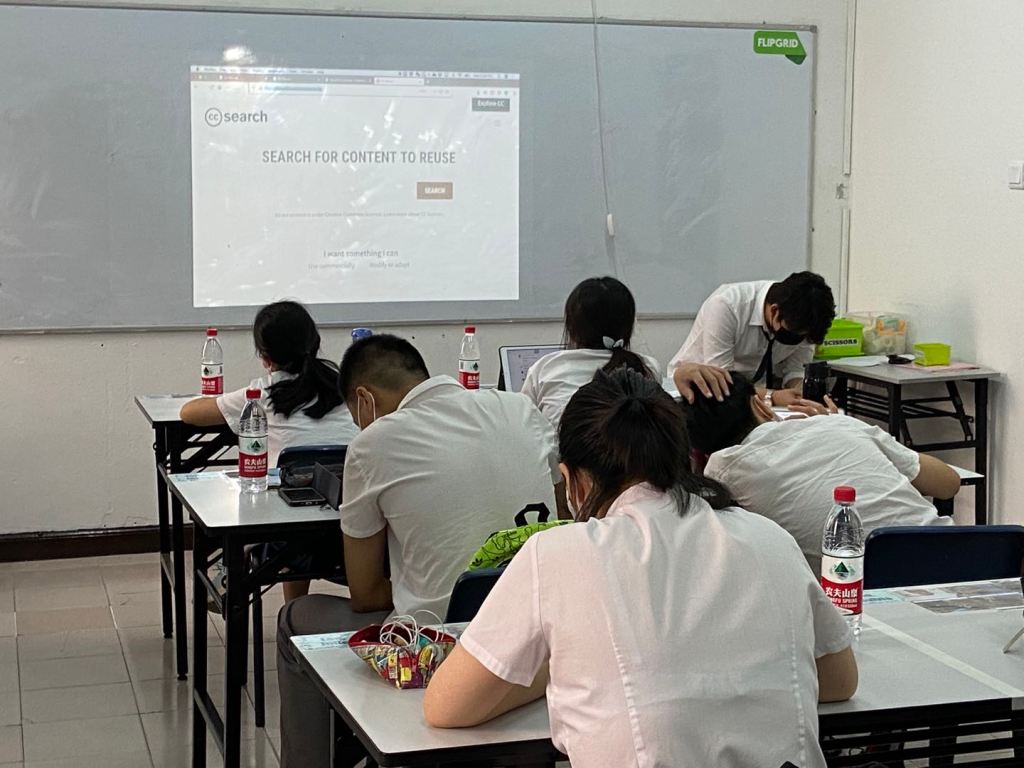
After this activity, the students created an awareness poster to inform students, teachers, and school staff about the importance of privacy and how to protect data online.
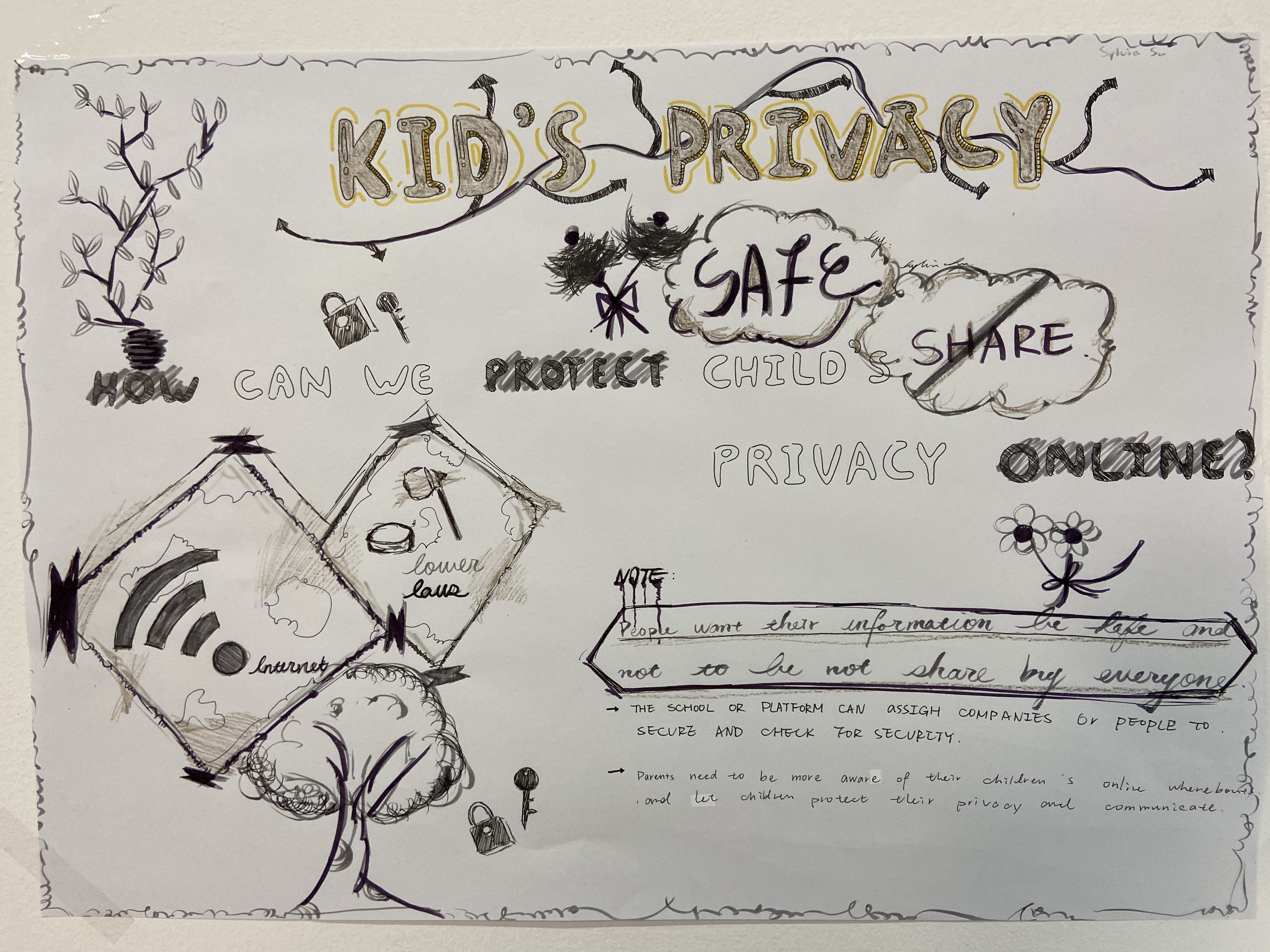
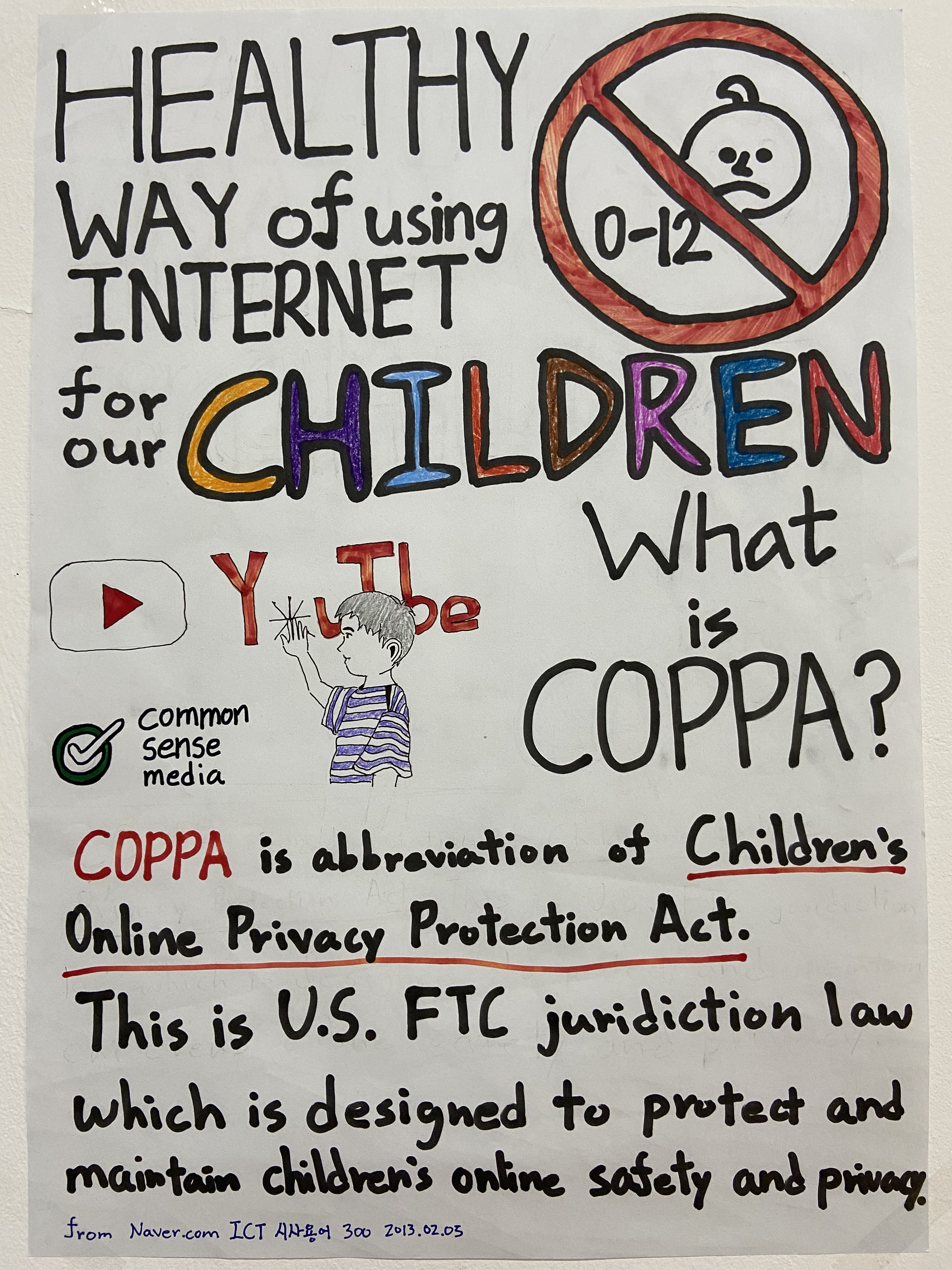

After exploring and knowing more about these privacy policies and terms of service of different EdTech platforms, I realized the importance of digging deeper into these and letting the students, and hopefully, the parents, be informed about these matters. As we are using more and more tech tools and exposing the students to the online environment, learning about Digital Citizenship, such as how data is being collected and shared, should be explicitly taught or integrated in every subject areas. Students and parents should be oriented of the tools and apps to be used in the classroom.
As a classroom teacher, I will be more cognizant of this information being taken and shared by web tools, apps and programs we use in the classroom. This information, such as the data the app or website collects, the data collected from third parties, the data shared with third parties, and how long data is stored, should be part of the discussion when thinking of an app to be introduced in the classroom.
 MITCHEL AFRICA