Innovating Play: How Micro:bit Transformed Our Design Unit
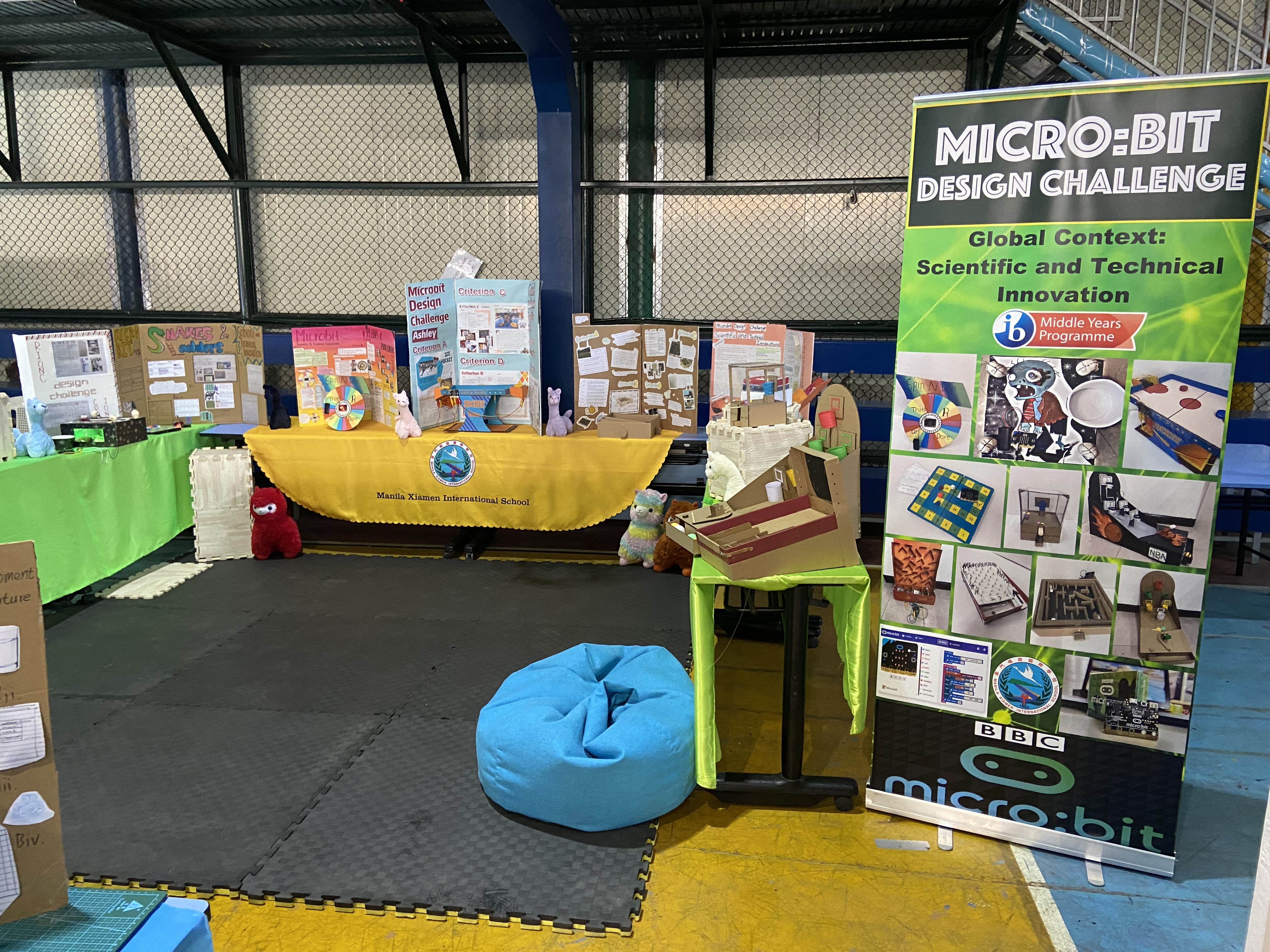
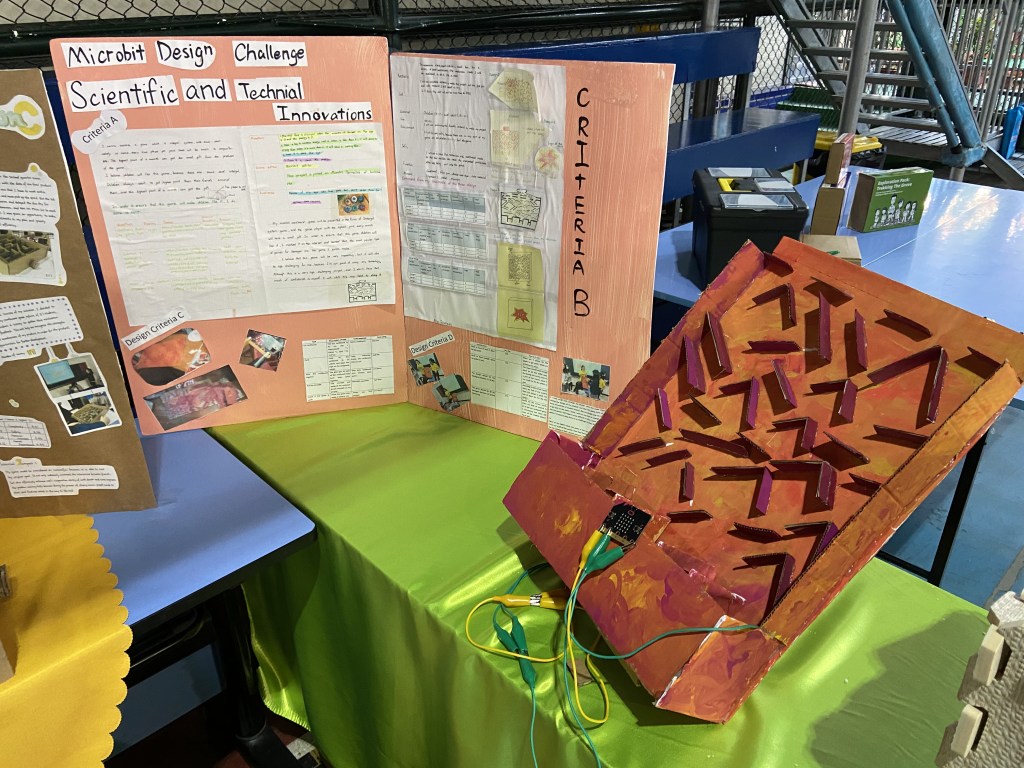
At Manila Xiamen International School, our Grade 9 Design students embarked on an exciting and innovative journey. Their task? To design and create interactive board games using cardboard as the primary material and the micro:bit as the technological core. The results were nothing short of extraordinary. From a modernized version of Snakes and Ladders to basketball-themed games and interactive shooting challenges, the students’ creativity was on full display.

The Design Process
Our unit was built around the MYP Design Cycle: Inquiring and Analyzing, Developing Ideas, Creating the Solution, and Evaluating. Students began by researching traditional board games and brainstorming how micro:bit could enhance their designs. They explored how micro:bit could add interactivity, such as tracking scores, randomizing gameplay elements, or controlling in-game actions.

Game Concepts
- Snakes and Ladders Redefined: Students integrated micro:bit to serve as a digital dice and sound generator when players advanced.
- Basketball Bonanza: A game where players aimed for baskets, with micro:bit keeping score and timing rounds.
- Target Shooting Challenge: Featuring a micro:bit-controlled LED display to indicate successful hits and misses.
- Pinball Extravaganza: A tabletop pinball game where micro:bit tracked points and triggered sound effects for high scores.
- Hockey Showdown: A fast-paced air hockey-inspired game where micro:bit controlled LED indicators for goals scored.
- Truth or Dare Fun: A party game where micro:bit generated random prompts for truth or dare challenges.


Beta Testing and Feedback
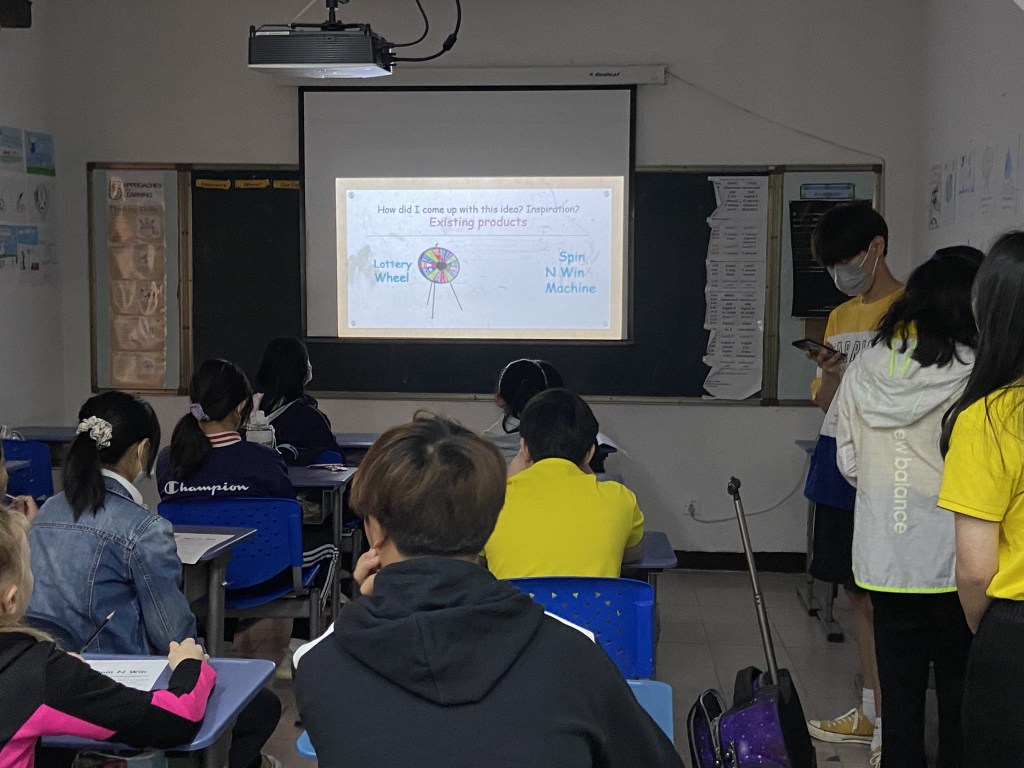
Once the prototypes were ready, students presented their games to their peers for beta testing. This phase allowed them to gather valuable feedback, refine their game mechanics, and troubleshoot any glitches. Watching their peers engage with their creations was a pivotal moment, as they realized the impact of their designs on user experience.
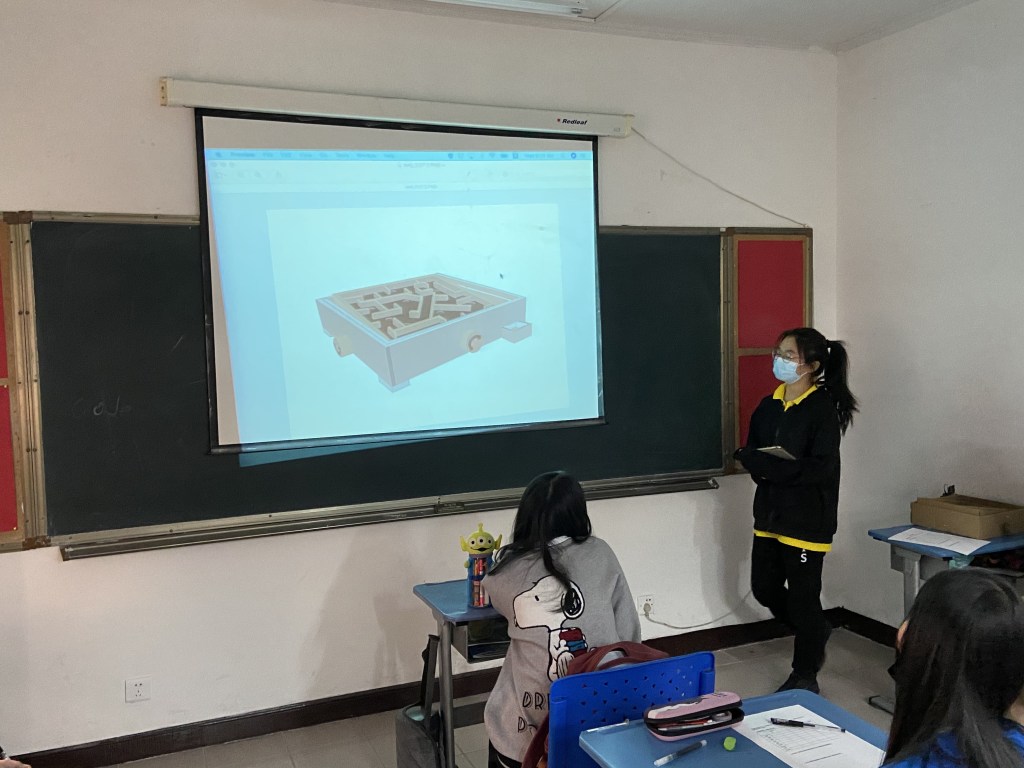
Micro:Bit Exhibition and Presentation
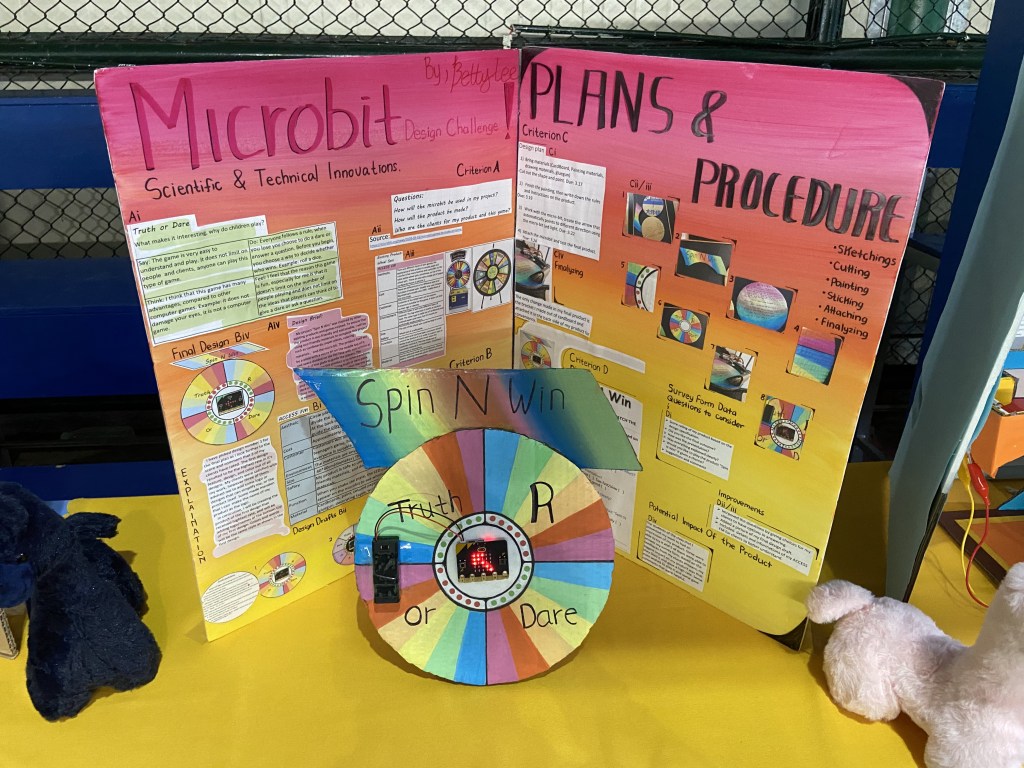

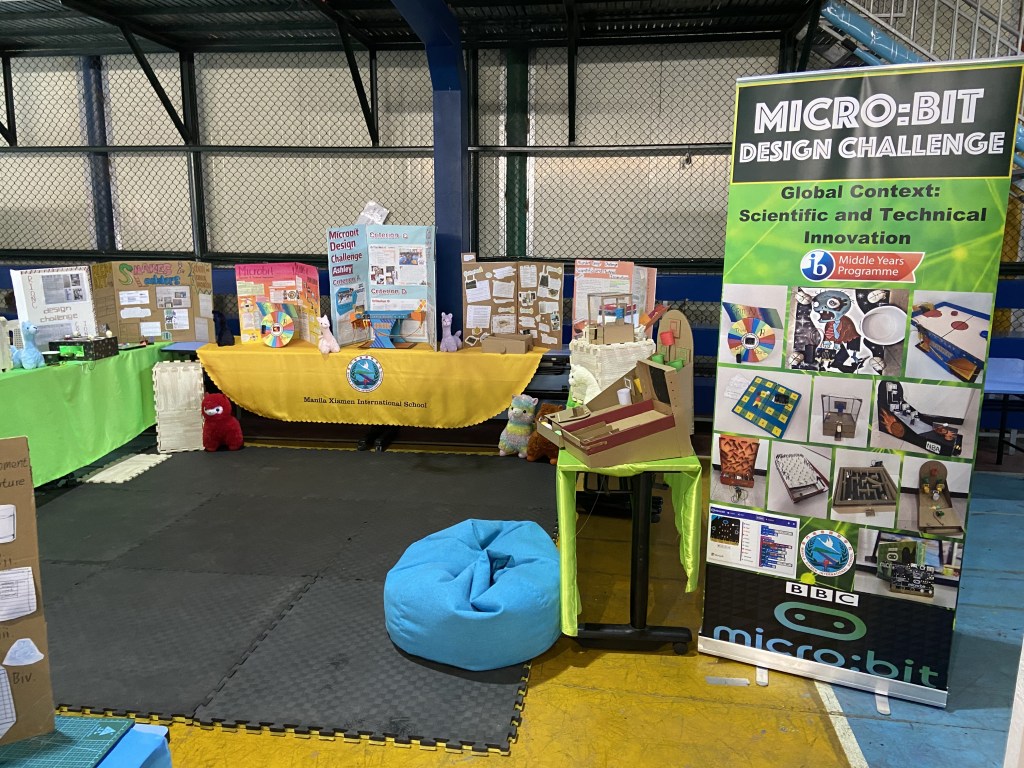
The unit culminated in a school-wide exhibition, where students proudly showcased their games to the entire school community. Visitors were amazed by the level of ingenuity and the seamless integration of technology and design. The event highlighted the power of hands-on, interdisciplinary learning, leaving everyone inspired.


Lessons Learned
This unit was more than just about creating games; it was about fostering problem-solving, collaboration, and critical thinking skills. Students learned the importance of iterative design, embracing failures as learning opportunities, and using technology creatively to solve real-world problems.
We’re excited to continue exploring innovative ways to blend design, technology, and creativity in our classrooms. Projects like this showcase the endless possibilities when students are encouraged to dream big and think outside the box.

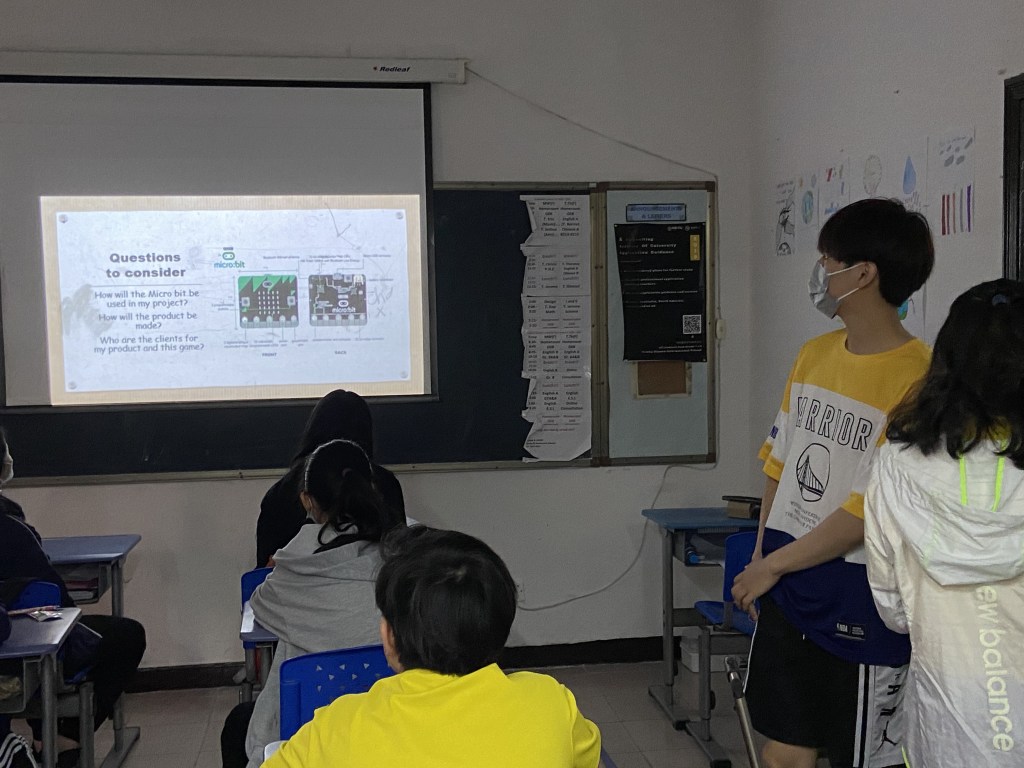

Unit Plan: Cardboard Game using Micro:bit
Title: Cardboard Game using Micro:bit
Grade Level: 9
Time Frame: 6 Weeks
Unit Overview: Students will design, prototype, and create an interactive board game using cardboard and a micro:bit. The project integrates principles of game design with programming and physical computing, emphasizing creativity, problem-solving, and collaboration.
Key Concepts:
- Global Context: Scientific and Technical Innovation
- Key Concept: Development
- Related Concepts: Function, Creativity
Statement of Inquiry: Interactive technologies can enhance traditional designs to create engaging user experiences.
Inquiry Questions:
- Factual: What are the basic components of a board game?
- Conceptual: How can micro:bit enhance a traditional board game?
- Debatable: Are digital enhancements necessary to make traditional games more engaging?
Learning Objectives:
- Understand the design process and apply it to game creation.
- Develop programming skills using micro:bit.
- Create a functional board game prototype integrating cardboard and micro:bit.
- Test and evaluate designs based on user feedback.
Week-by-Week Plan:
Week 1: Inquiring and Analyzing
- Introduction to board game design principles.
- Exploration of micro:bit’s capabilities.
- Research existing board games and brainstorm enhancements.
Week 2: Developing Ideas
- Sketch initial game concepts.
- Plan how micro:bit will be integrated.
- Create a materials list and project timeline.
Week 3-4: Creating the Solution
- Build the game board using cardboard.
- Program micro:bit for specific game functions.
- Assemble the prototype.
Week 5: Testing and Refining
- Conduct beta testing with peers.
- Gather feedback and refine the game design.
Week 6: Presenting and Evaluating
- Prepare for the school exhibition.
- Showcase games and receive feedback from the school community.
- Reflect on the design process and personal growth.
Assessment Criteria:
- Criterion A: Inquiring and Analyzing
- Criterion B: Developing Ideas
- Criterion C: Creating the Solution
- Criterion D: Evaluating
Resources Needed:
- Micro:bit kits
- Cardboard, markers, and craft materials
- Computers for programming
- Access to testing space
This unit promises to be a memorable and enriching experience for students, blending creativity with technology to bring ideas to life!
 MITCHEL AFRICA